

Personal loans can feel like a financial lifeline or a slippery slope, depending on how you handle them. The difference between smart borrowing and debt disaster often comes down to strategy and self-control. Think of a personal loan as a tool – use it wisely, and it builds your financial house; misuse it, and you might knock down the foundation. The key lies in borrowing with purpose, not impulse. Before you sign on the dotted line, ask yourself if this loan will genuinely improve your financial position in the long run. Remember, every dollar borrowed today is a dollar plus interest you’ll need to repay tomorrow.
Consolidate High-Interest Debt Strategically
Debt consolidation represents one of the most sensible applications for personal loans, especially when you’re juggling multiple credit cards with sky-high interest rates. Picture this scenario: you’re paying 24% APR on three different credit cards while a personal loan offers you 12% APR to pay them all off at once. The math speaks for itself – you’ll cut your interest burden in half while simplifying your payment schedule. However, this strategy only works if you resist the temptation to run up those credit card balances again. Many people fall into the trap of consolidating debt and then accumulating new debt on top of their loan payments. Treat your newly cleared credit cards like they’re made of kryptonite – powerful, but potentially dangerous if mishandled.
Invest in Income-Generating Opportunities
 Sometimes you need money to make money, and a personal loan can bridge that gap between opportunity and available cash. Consider using borrowed funds for education, professional certifications, or starting a side business that has clear revenue potential. The golden rule here is simple: the expected return should exceed the loan’s interest rate by a comfortable margin. For instance, if your loan charges 10% annually, your investment should reasonably generate at least 15-20% returns to account for risk and taxes. This approach requires honest self-assessment of your abilities and market conditions. Don’t chase get-rich-quick schemes with borrowed money – that’s a recipe for financial heartbreak.
Handle Emergency Home Repairs and Improvements
Your home is likely your largest asset, so protecting and improving it makes financial sense when done thoughtfully. A personal loan can cover urgent repairs like a failing HVAC system, leaky roof, or foundation issues that could worsen if left unaddressed. These aren’t luxury upgrades – they’re necessary maintenance that preserves your home’s value and prevents costlier problems down the road. Similarly, strategic improvements like energy-efficient windows or updated electrical systems can reduce monthly expenses while boosting property value. The trick is distinguishing between genuine needs and wants disguised as necessities. That dream kitchen renovation might have to wait, but fixing a broken furnace in winter definitely cannot.
Create a Structured Repayment Plan Before Borrowing

The smartest personal loan users create their exit strategy before they even apply for the money. Start by calculating exactly how much you need – not how much the lender will approve, but the precise amount required for your specific purpose. Build a monthly budget that includes the loan payment as a non-negotiable expense, just like rent or utilities. Consider setting up automatic payments to avoid late fees and keep yourself on track. Many successful borrowers also create a small emergency fund alongside their loan …

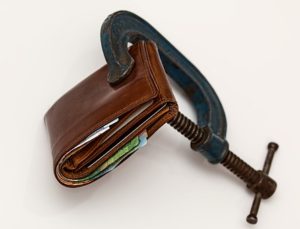 This can be a good idea for you. In this case, you are taking a loan, which enables you to repay your debts to several creditors at once. You can obtain this loan from a financial institution. This means that you have a single loan remaining. It is advisable to contact various financial institutions about this particular type of loan. Remember that interest rates that are provided by financial institutions can be quite different.
 You can make contact with the creditors to arrange payments to them. The majority of creditors allow you to arrange a payment plan. Ensure you only commit to a payment plan that you can afford. In this way, you can relieve financial stress on you. In this way, you can reduce your debt consistently. This is a good solution that can benefit both you and the creditor.